Written by Michael Black


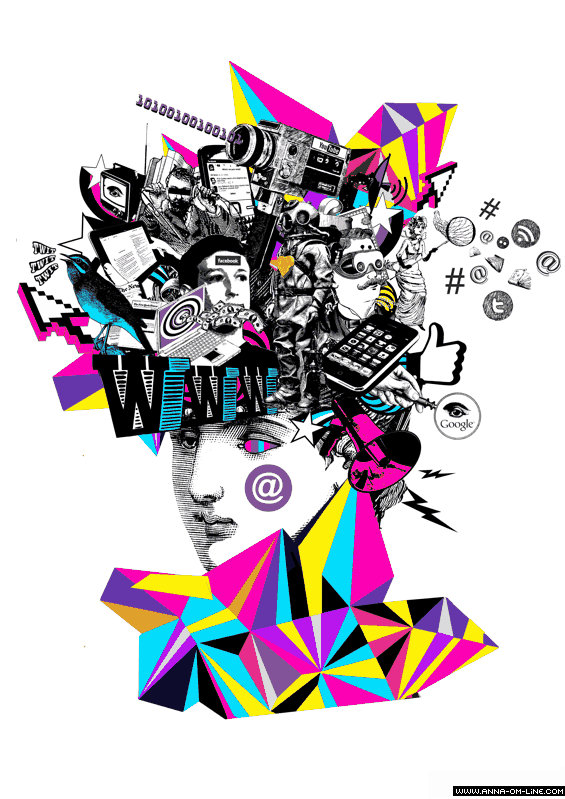
As humans we are living in a world where we are surrounded by images that can shape our decision making and create patterns to follow. In these times, with everyone having access to the online world at their fingertips, the amount of visuals, pictures, and video images can be substantial. Being in this online environment allows opportunities to make connections, create trends and change perceptions. With the presence of tools available that are centered on web 2.0, it has become easier for visuals to become more accessible. More specifically, the dependency towards web 2.0 occurred between the periods of 2000-2008. At this point in time, users looked to make use of platforms such as Facebook, Twitter and Instagram. The end goal was to foster creativity and create opportunities for those who are looking towards alternative outlets of representation. The web 2.0 phenomena has created a practice known as prosumerism. This is a practice where the content shared online can be available for others to consume. The idea of our blog is to inform teens about the various aspects of visual culture. Specifically, we want our audience to be aware of the practice of image manipulation, understand the framework centered on storytelling, and develop awareness about the features and practices reflected through visual culture such as memes and selfies.
 Visual Culture in CEID100 Blog